Guide · · 10 min read
JIT & Line-Side Delivery for Ottawa Manufacturers (2026)
A practical operator guide to running just-in-time and line-side delivery in the Ottawa region — milk runs, kanban, sequencing, and keeping the line fed through winter.

Just-in-time (JIT) and line-side delivery are how lean manufacturers keep the production line fed without burying the plant floor in inventory. For Ottawa-region manufacturers — many of them in older or space-constrained facilities in Kanata, the east-end industrial parks, or the Valley — the appeal is obvious: less work-in-process, less floor space tied up in storage, and components arriving sequenced and ready to consume. The catch is that JIT trades inventory buffer for timing discipline, and in a city that sees lake-effect snow and –25°C cold snaps, that discipline has to be real. This guide walks through how line-side feeding actually works, when it pays off, and what to look for in a 3PL inbound program.
What JIT and line-side delivery actually mean
JIT is a replenishment philosophy: material arrives only as it is needed, in the quantity needed, so inventory and waste stay minimal. Line-side (or point-of-use) delivery is the physical execution — components are delivered directly to the workstation or line position where they are consumed, not to a central stockroom that someone then has to pick from again. In practice a 3PL holds inventory in a nearby warehouse and runs frequent, scheduled deliveries to the plant, often kitted and sequenced to match the build order. The goal is for the operator to reach for the next part and have it there, with no searching, counting, or internal transport.
Milk runs and route design
A milk run is a single vehicle running a fixed route that visits multiple stops on a schedule — picking up from suppliers, dropping at the plant, and often collecting empty bins or returnable packaging on the way back. For Ottawa manufacturers, milk runs consolidate what would otherwise be many partial, ad-hoc deliveries into a few efficient, predictable trips per shift or per day. Good route design balances frequency against vehicle utilization and accounts for Ottawa-specific realities: 417 congestion at peak, winter road conditions, and the spread between Kanata in the west and the east-end and Valley plants.
- Fixed schedule so the plant can plan around guaranteed delivery windows
- Multi-stop consolidation to cut deadhead miles and per-trip cost
- Returnable-container pickup (empty bins, dunnage, totes) on the return leg
- Sequenced loading so the first parts needed are the first ones off the truck
- Built-in buffer time for winter conditions and 417/174 congestion
Kanban and consumption signals
JIT only works if the warehouse knows what the line is consuming. That signal can be a physical kanban card returned when a bin empties, a two-bin system, a scan at point of use, or an electronic message from the manufacturer's ERP/MES. The 3PL converts that signal into a replenishment action on the next scheduled run. The discipline matters: a missed or delayed signal means either a stockout at the line or an over-delivery that defeats the purpose. Mature programs reconcile consumption against deliveries daily so drift is caught before it becomes a shortage.
When JIT pays off — and when it doesn't
JIT is not automatically the right answer. It pays off when parts are high-value or high-cube (so carrying and storing them on-site is expensive), when the feeding warehouse is close enough to support frequent runs, and when demand is stable enough to plan routes around. It works less well for low-value commodity hardware where a few weeks of buffer stock is cheaper than frequent transport, for highly volatile demand, or for parts with long and unreliable lead times that need a safety buffer anyway. The honest answer for most Ottawa plants is a hybrid: JIT the expensive, bulky, or fast-moving items, and keep a modest buffer on the cheap commodity parts.
Before committing to JIT, model the all-in cost: transport frequency, warehouse handling, and the cost of a line-down event versus the inventory carrying cost you'd save. The breakeven is usually clearer than people expect.
Winter reliability in the National Capital Region
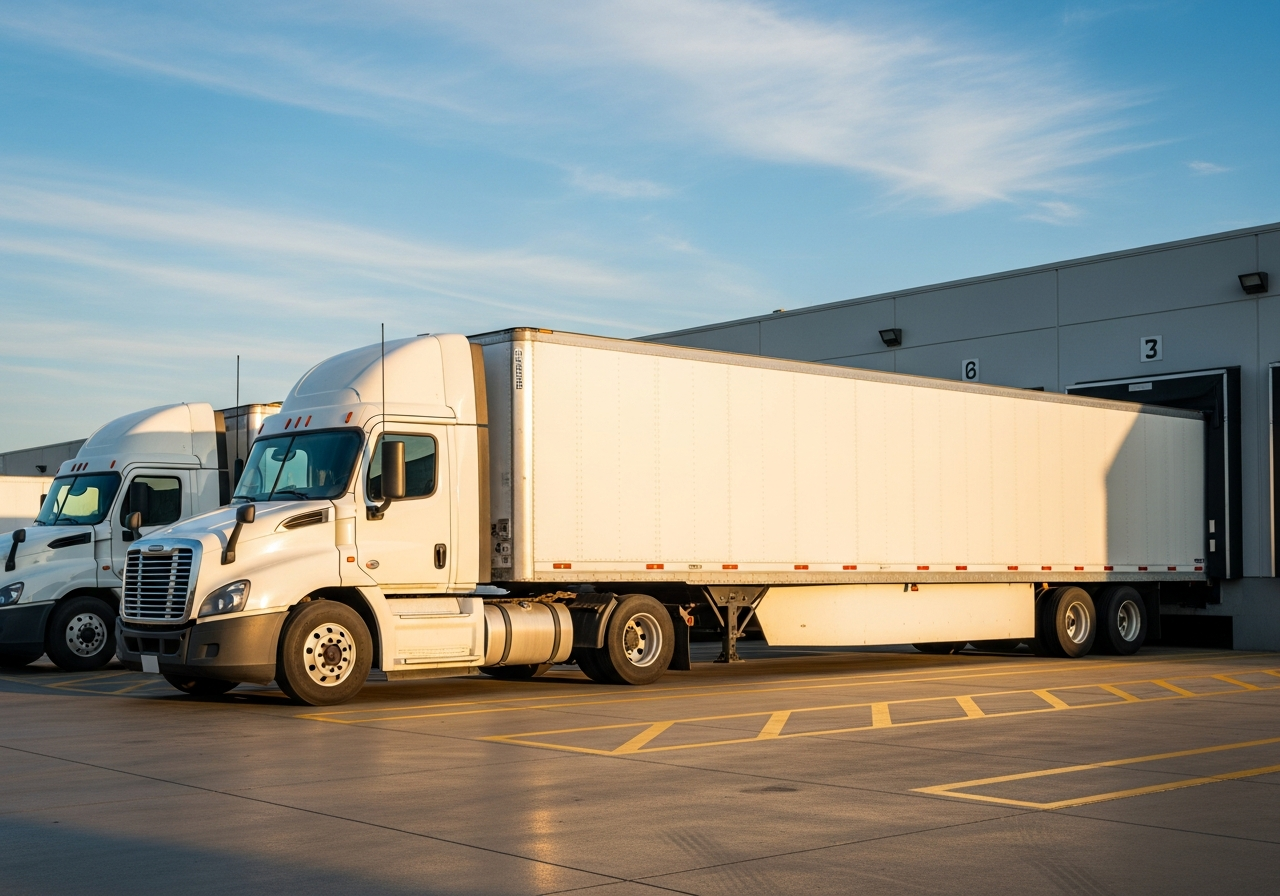
Ottawa winters are the stress test for any JIT program. With a low-inventory model, a single missed delivery during a snow event can stop the line, so winter resilience has to be designed in, not hoped for. That means realistic schedule padding from November through March, a small line-side safety buffer for critical parts, backup vehicle and driver capacity, proactive communication when storms are forecast, and routes planned around the City of Ottawa's snow-clearing priorities. A 3PL that runs the National Capital Region year-round builds these contingencies into the service rather than treating each storm as a surprise.
 Winter reliability in the National Capital Region
What a 3PL brings to line-side feeding
Running line-side delivery in-house means owning vehicles, drivers, warehouse space, and the scheduling discipline to keep it all synchronized — a heavy fixed cost for a single plant. A 3PL spreads that cost across multiple clients and routes, holds the inbound inventory near the plant, executes the milk runs, manages returnable packaging, and integrates to the manufacturer's signals so replenishment is automatic. It converts a fixed internal logistics burden into a variable, scalable service and lets the manufacturer focus engineering and labour on production rather than on running a transport operation.
Frequently Asked Questions
What is the difference between JIT and line-side delivery?
JIT is the replenishment philosophy — material arrives only as needed in the quantity needed. Line-side delivery is the physical execution of getting those parts to the exact workstation where they're consumed, often kitted and sequenced to the build order.
What is a milk run in manufacturing logistics?
A milk run is a single vehicle on a fixed route that visits multiple stops on a schedule — picking from suppliers, dropping at the plant, and collecting empty returnable containers on the return leg. It consolidates many partial deliveries into a few efficient, predictable trips.
How does the warehouse know when to replenish the line?
Through consumption signals: physical kanban cards, two-bin systems, scans at point of use, or electronic messages from the manufacturer's ERP/MES. The 3PL converts each signal into a replenishment on the next scheduled run and reconciles consumption against deliveries.
Is JIT reliable through an Ottawa winter?
It can be, but only if winter resilience is designed in — schedule padding from November to March, a small line-side safety buffer for critical parts, backup vehicle and driver capacity, and routes planned around the city's snow-clearing priorities.
When is JIT not worth it?
For low-value commodity parts where buffer stock is cheaper than frequent transport, for highly volatile demand, or for parts with long unreliable lead times that need a safety buffer anyway. Most plants run a hybrid — JIT the expensive or bulky items, buffer the cheap ones.
Related ByExpress resources