Guide · · 10 min read
Toronto Amazon FBA Prep & Forwarding (2026): GTA Prep, FC Routing & Costs
Getting FBA prep right in the GTA saves chargebacks and speeds inventory to Amazon's Canadian FCs. Here's the 2026 playbook for prep, forwarding, and cost.
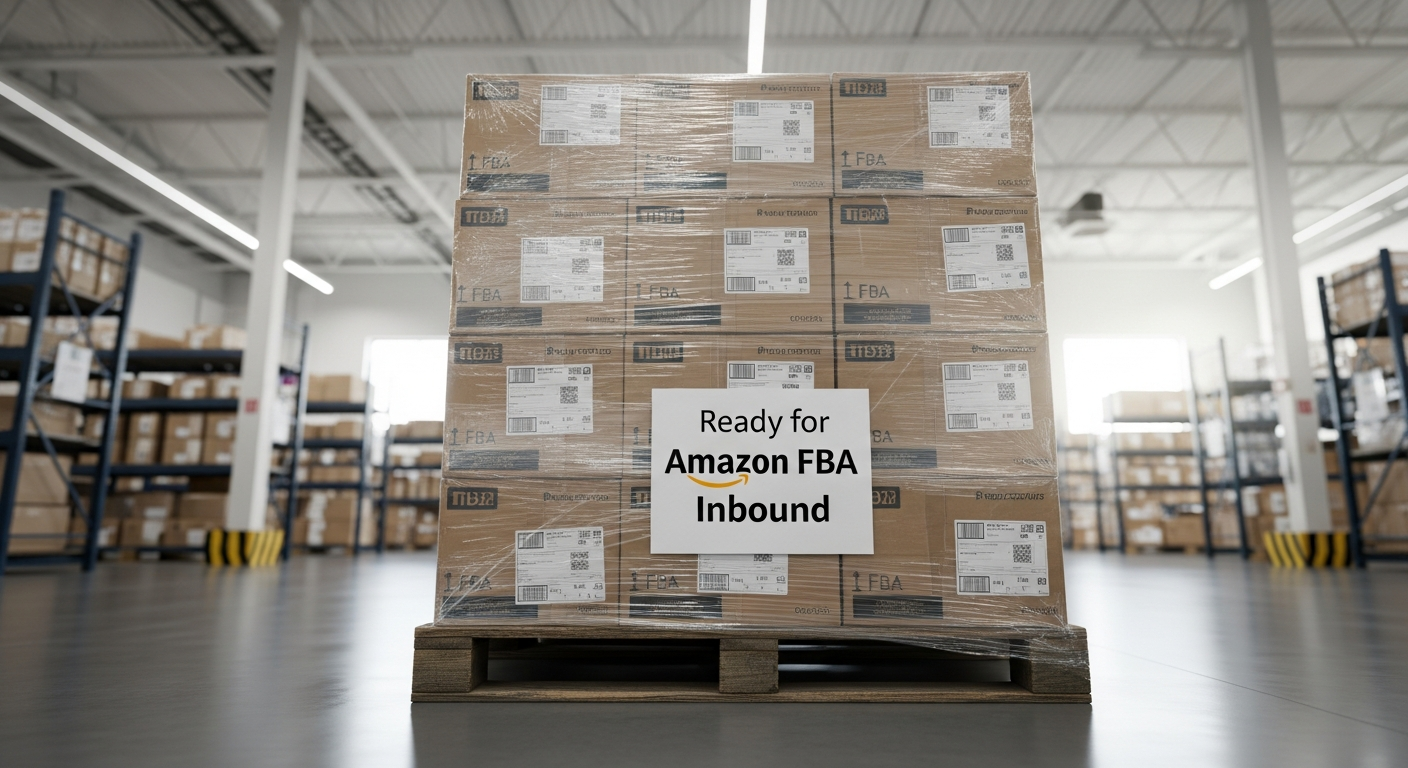
For Amazon sellers, the GTA is the natural place to prep and forward FBA inventory in Canada: it's the country's largest consumer market, has dense carrier coverage, and sits close to Amazon's Ontario fulfillment-centre footprint. Good FBA prep is unglamorous but high-leverage — correct labelling, compliant packaging, and accurate shipment plans keep your inventory flowing and avoid the chargebacks and stranded-inventory headaches that eat margin. This 2026 guide covers Amazon's prep requirements, how FC routing works, realistic prep costs, and when to combine FBA prep with FBM/DTC fulfillment under one roof.
What FBA prep actually involves
FBA prep is the set of steps that get your products accepted into Amazon's fulfillment network without exceptions. The core tasks are consistent across most categories, even though Amazon updates specifics over time. A GTA prep partner should handle all of these to current Amazon requirements and verify them before shipments go out.
- FNSKU labelling (and covering original barcodes where required)
- Polybagging with suffocation warnings where applicable
- Bubble/protective wrap for fragile items
- Bundling and multi-pack 'sold as set' labelling
- Expiry-date and lot labelling for consumables
- Carton-level shipment labels and box-content information
How Amazon FC routing works from the GTA
When you create an FBA shipment plan, Amazon assigns destination fulfillment centres — you don't simply choose one. From a GTA origin, shipments are often directed to Ontario FCs, but Amazon may split inventory across multiple centres or direct it elsewhere in its Canadian network depending on capacity and the program settings on your account. A good prep partner builds shipments to Amazon's assigned plan, palletizes or cartons to the routing, and books LTL/parcel accordingly. Because exact FC assignments and program rules change, the operational discipline is to follow the current shipment plan rather than assume a fixed destination.
How Amazon FC routing works from the GTA
Packaging and compliance requirements that cause exceptions
Most FBA problems come from a short list of avoidable misses: missing or unscannable FNSKU labels, polybags without the required suffocation warning, sharp or leak-prone items without adequate protection, expiry-dated products that don't meet Amazon's minimum remaining shelf-life and labelling rules, and inaccurate box-content data. Each can trigger a chargeback, a prep fee charged back by Amazon, or stranded inventory. A disciplined GTA prep operation inspects against the current requirements before sealing cartons.
The cheapest FBA prep is the prep that prevents exceptions. A single round of chargebacks and stranded-inventory fees usually costs more than the prep service itself.
Realistic GTA FBA prep cost ranges
Prep is usually priced per unit for handling steps plus per-shipment or per-carton charges and storage for inventory held before forwarding. The ranges below are typical 2026 GTA figures; your real cost depends on unit complexity, volume, and how much protective packaging each SKU needs. Always confirm a per-SKU quote against your actual products.
| Prep activity | Typical basis | GTA range (CAD) |
|---|
| FNSKU labelling | per unit | $0.30–$0.75 |
| Polybagging | per unit | $0.35–$0.85 |
| Bubble wrap / fragile protection | per unit | $0.50–$1.25 |
| Bundling / multi-pack | per set | $0.75–$1.75 |
| Receiving | per carton or pallet | $2–$8 / carton |
| Storage before forwarding | per pallet / month | $25–$45 |
Forwarding inventory to Amazon Canada FCs
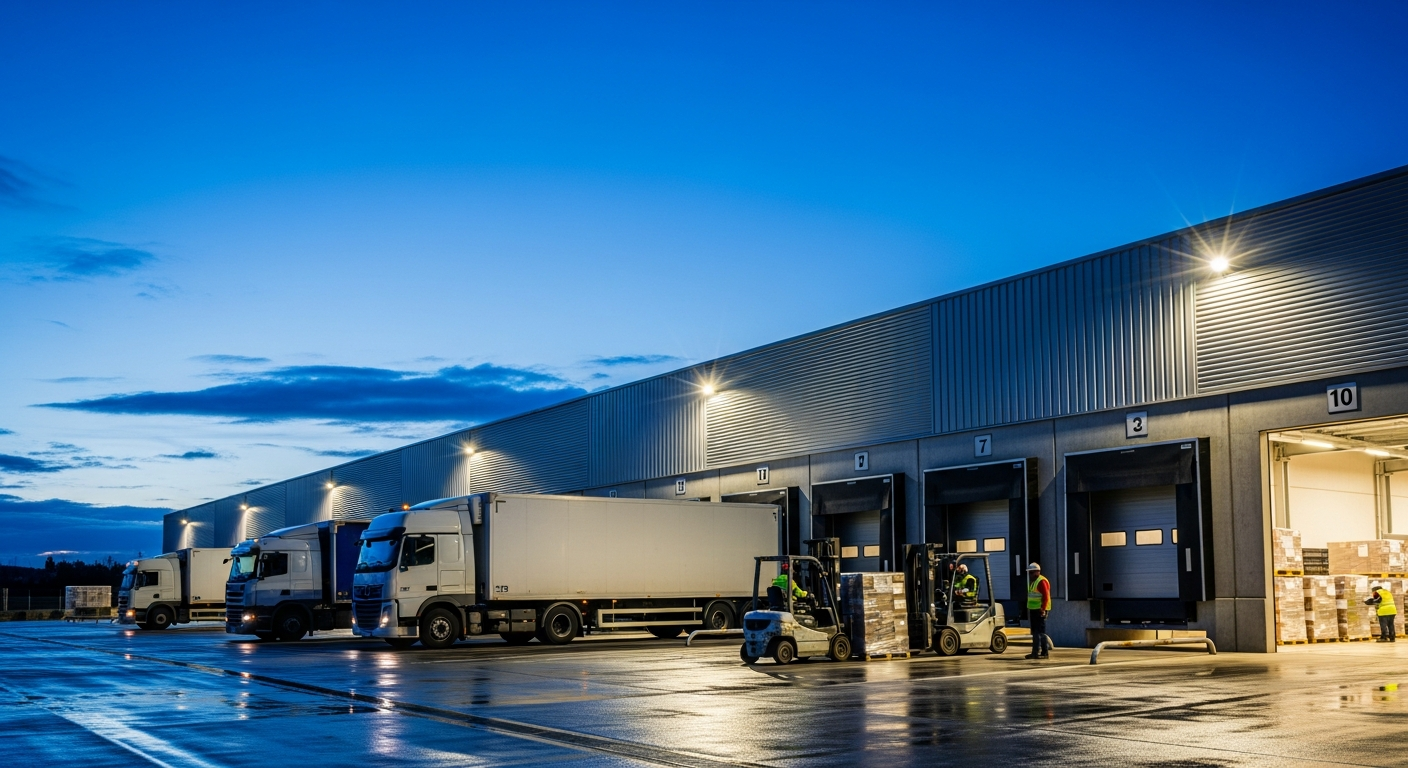
Once prepped, inventory is forwarded to the assigned FCs by parcel (small shipments), LTL (palletized mid-size), or FTL (large replenishments). From the GTA, transit to Ontario FCs is typically next-day to a couple of days, while shipments routed to other provinces follow the long-haul transit ranges for those lanes. Booking to the shipment plan's destinations and palletizing to Amazon's standards reduces the risk of receiving delays at the FC.
 Forwarding inventory to Amazon Canada FCs
Combining FBA prep with FBM and DTC under one roof
Many GTA sellers run a hybrid model: FBA for fast-moving SKUs, plus FBM (seller-fulfilled) and DTC orders shipped directly to customers for the rest of the catalogue and for overflow during Amazon storage limits. Holding all inventory with one GTA 3PL that does both FBA prep and direct fulfillment means a single inventory pool, one receiving process, and the flexibility to shift units between channels as demand and Amazon limits change — without moving stock between buildings.
Frequently Asked Questions
What does Amazon FBA prep include?
FNSKU labelling, polybagging with suffocation warnings where required, protective wrap for fragile items, bundling/multi-pack labelling, expiry/lot labelling for consumables, and accurate carton-level shipment labels and box-content data — all to Amazon's current requirements.
How much does FBA prep cost in Toronto?
Typically per-unit charges for steps like labelling ($0.30–$0.75) and polybagging ($0.35–$0.85), plus receiving and storage. Your real cost depends on unit complexity and volume, so confirm a per-SKU quote against your products.
Which Amazon fulfillment centres receive GTA shipments?
Amazon assigns destination FCs in your shipment plan rather than letting you pick. GTA shipments are often routed to Ontario FCs but may be split or directed elsewhere in Amazon's Canadian network. Always ship to the assigned plan.
Can a GTA 3PL handle both FBA prep and direct-to-consumer?
Yes. Many GTA 3PLs run a hybrid model — FBA prep plus FBM and DTC fulfillment from one inventory pool — so you can shift units between channels as demand and Amazon storage limits change.
How do I avoid FBA chargebacks?
Prevent the common exceptions: unscannable FNSKU labels, polybags missing suffocation warnings, inadequate protection for fragile or leak-prone items, short shelf-life consumables, and inaccurate box-content data. Inspect against current requirements before sealing.
Related ByExpress resources