Guide · · 10 min read
Toronto to Calgary Freight Lane (2026): Long-Haul, Intermodal & the Prairies Gateway
Toronto to Calgary is a ~3,400 km haul to Western Canada's distribution gateway. Here's how to ship it by truck, by rail, and how to use Calgary as a hub.
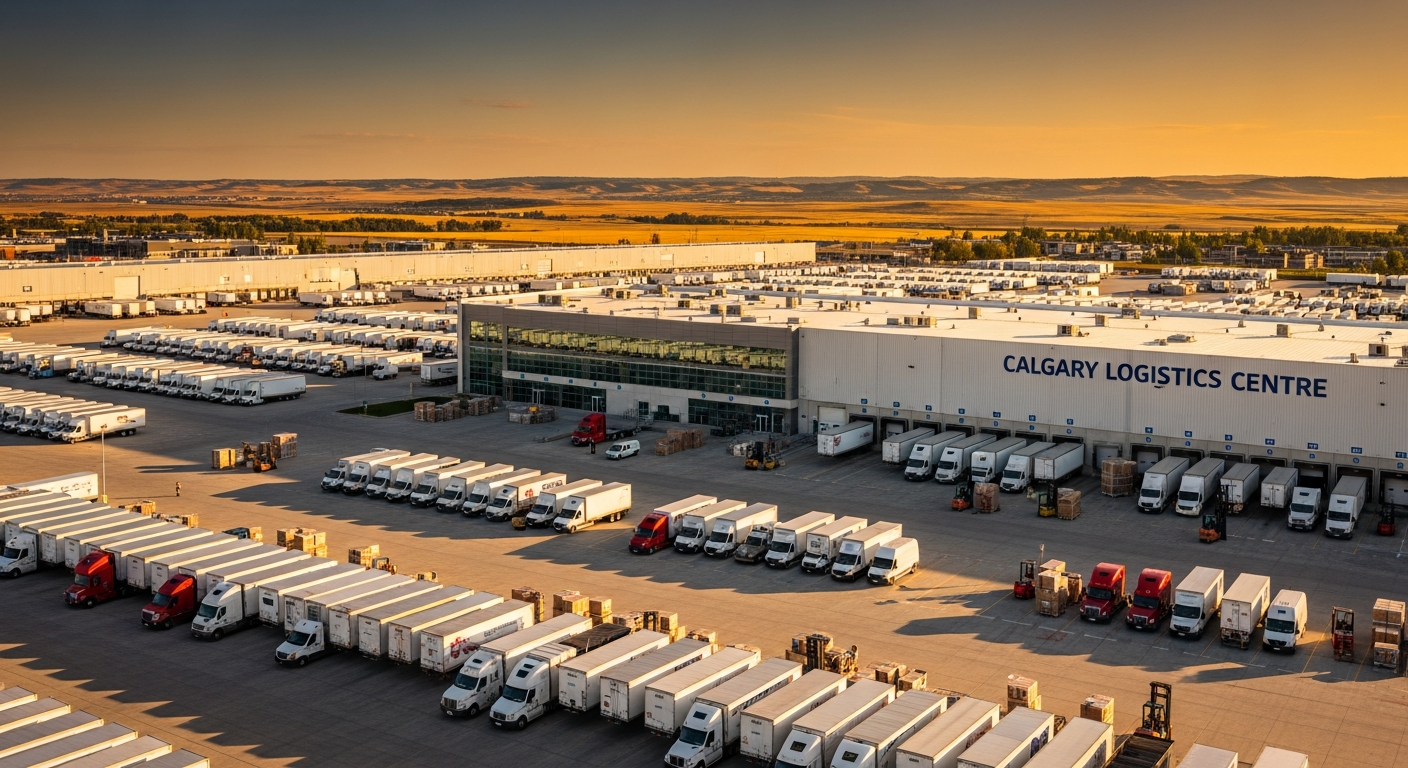
Toronto to Calgary is a roughly 3,400 km long-haul along the Trans-Canada Highway and is one of Canada's most important east–west distribution lanes. Calgary functions as the Prairies gateway: a major intermodal and trucking hub from which freight fans out to Alberta, Saskatchewan, and beyond. Like other cross-country lanes, it rewards thinking carefully about mode — intermodal rail is competitive, team-driver FTL is materially faster than single-driver, and winter routing through northern Ontario shapes reliability. This 2026 guide covers realistic transit ranges, rate ranges, and when to treat Calgary as a western hub rather than just a destination.
Toronto–Calgary transit: truck vs rail vs team
A single-driver dry van typically runs 4–6 business days Toronto to Calgary under HOS limits. A team-driven truck cuts that to roughly 2.5–3.5 days. Intermodal rail (CN or CPKC) generally runs 5–8 business days including drayage at both ends and is materially cheaper for non-urgent freight. Because Calgary is a strong intermodal hub, drayage at the western end is usually efficient.
- Single-driver FTL: 4–6 business days
- Team-driver FTL: ~2.5–3.5 business days
- LTL scheduled with consolidation: 6–9 business days
- Intermodal rail CN/CPKC: 5–8 business days, often well below truck cost
- Parcel (Purolator, FedEx, UPS): several business days, weight-limited
Toronto to Calgary freight rate ranges
These are typical 2026 mid-market ranges, all-in (fuel-loaded). Real quotes move with equipment scarcity, day of week, and backhaul balance — Calgary's strong manufacturing and energy outbound volume usually keeps return-leg economics reasonable, which helps headhaul pricing.
| Service | Weight / Equipment | Toronto → Calgary range (CAD all-in) |
|---|
| 1 pallet LTL consolidated | 1,200–1,500 lb | $380–$540 |
| 6 pallets LTL | 7,000–9,000 lb | $1,650–$2,300 |
| FTL 53′ dry van single-driver | Up to ~45,000 lb | $5,200–$7,000 |
| FTL 53′ team-driver expedited | Up to ~45,000 lb | $8,000–$10,500 |
| Intermodal 53′ container | Up to ~45,000 lb | $3,600–$5,000 |
| Intermodal reefer container | Refrigerated | $5,200–$7,000 |
When intermodal rail beats truck on this lane
Calgary is one of the better-served intermodal destinations in Western Canada, so rail is a real option, not a theoretical one. Rail typically beats single-driver truck on cost while adding transit days and requiring drayage at both ends. Choose rail for non-urgent, durable, fully palletized freight in container quantities and when you have a week-plus of inventory cover. Choose truck for faster, more predictable delivery, for high-value goods, or when you need door-to-door without terminal handling.
Calgary's strength as an intermodal hub means western drayage is usually efficient — one of the reasons rail pencils out more often on Toronto–Calgary than on weaker-terminal lanes.
Calgary as the Prairies gateway
Many national brands treat Calgary not as a final destination but as a western distribution hub. From Calgary, freight reaches the rest of Alberta, Saskatchewan, and parts of BC and the territories on short regional runs. If your western order volume justifies it, positioning inventory in Calgary and replenishing from a Toronto/GTA hub on FTL or intermodal can cut last-mile cost and transit for the whole western region — a hub-and-spoke pattern rather than shipping each western order across the country individually.
 Calgary as the Prairies gateway
Winter routing on the Trans-Canada
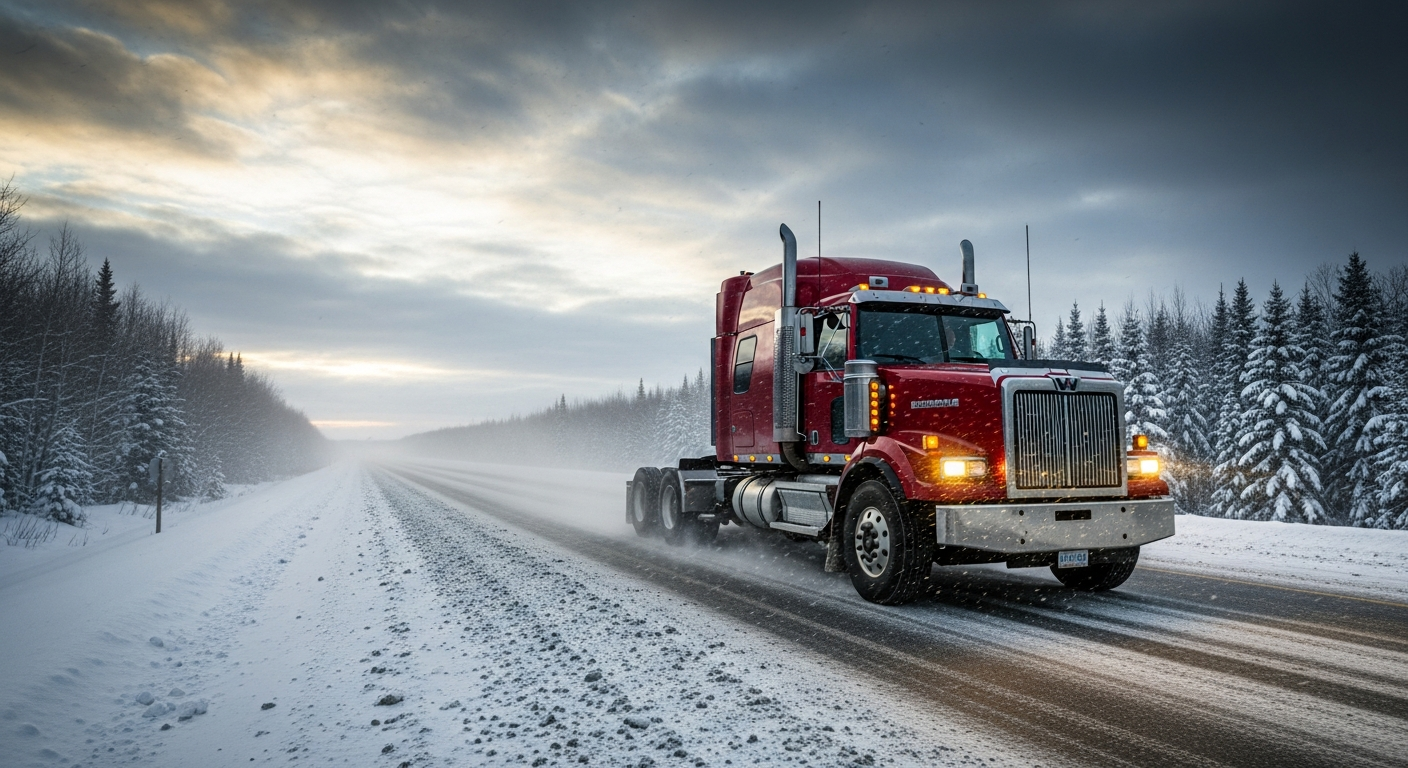
From December through March, the main reliability risk is the long Trans-Canada stretch through northern Ontario north of Lake Superior, which sees blowing-snow events, freezing rain, and occasional closures. Alberta and the Prairies see cold and wind but generally more open driving. Build buffer into winter delivery commitments and confirm your carrier's storm-day and re-routing protocols before peak.
 Winter routing on the Trans-Canada
When the Toronto–Calgary lane is strategic
Three common scenarios: national brands serving steady western demand who want a Calgary node fed from the GTA; import brands that want eastern inventory in Toronto and western inventory staged in Calgary for the Prairies; and manufacturers moving Ontario-made goods to western retail DCs and distributors. In each case, the lane is part of a footprint decision, not just a single shipment.
Frequently Asked Questions
How long does it take to ship from Toronto to Calgary?
Single-driver FTL is about 4–6 business days, team-driver expedited roughly 2.5–3.5 days, and intermodal rail 5–8 days including drayage. LTL with consolidation runs 6–9 days.
How much does FTL Toronto to Calgary cost?
A 53-foot dry van one-way single-driver typically runs $5,200–$7,000 all-in in 2026, with team-driver expedited higher. Intermodal rail is often well below truck cost for full-container freight.
Is intermodal rail viable for Toronto–Calgary?
Yes. Calgary is a strong intermodal hub, so CN and CPKC rail is competitive on cost versus single-driver truck, at the expense of added transit days and drayage at each end.
Why do brands use Calgary as a hub instead of a destination?
From Calgary, regional runs reach the rest of Alberta, Saskatchewan, and parts of BC efficiently. If western volume justifies it, a Calgary node fed from Toronto cuts last-mile cost and transit across the whole western region.
What's the main winter risk on this lane?
The Trans-Canada stretch through northern Ontario north of Lake Superior, where blowing snow and freezing rain cause delays and occasional closures from December to March. Build buffer and confirm carrier storm protocols.
Related ByExpress resources