Guide · · 9 min read
Toronto to Winnipeg Freight Lane (2026): Gateway to the West & Intermodal Hub
Winnipeg is Canada's mid-continent gateway and a major rail hub. Here's how the ~2,200 km Toronto–Winnipeg lane really prices, times, and routes in 2026.
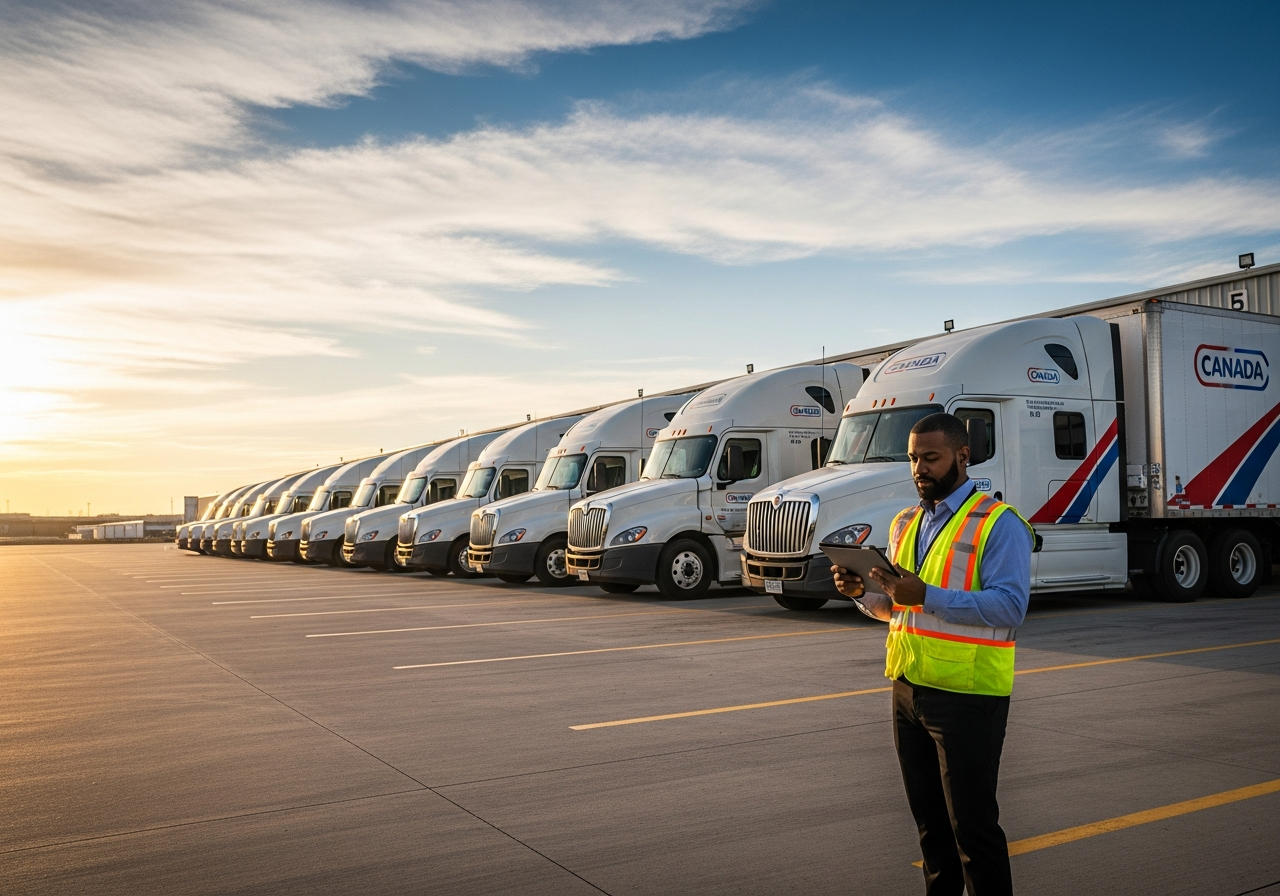
Toronto to Winnipeg is a roughly 2,200 km haul along the Trans-Canada Highway, and Winnipeg's role makes it strategically important: the city is Canada's mid-continent gateway and one of the country's most significant inland rail and trucking hubs, with major intermodal capacity and a long history as a distribution crossroads. For brands building a national footprint, Winnipeg is often the natural staging point between Eastern Canada and the Prairies/West. This 2026 guide covers realistic transit ranges, rate ranges, mode selection, and how to use Winnipeg as a hub.
Toronto–Winnipeg transit: truck vs rail vs team
A single-driver dry van typically runs 3–4 business days Toronto to Winnipeg under HOS limits. A team-driven truck can do it in roughly 2–2.5 days. Intermodal rail (CN or CPKC) generally runs 4–6 business days including drayage and is well-supported because Winnipeg is a major rail hub. The lane sits at a distance where both truck and rail are practical, so mode choice usually comes down to urgency and volume.
- Single-driver FTL: 3–4 business days
- Team-driver FTL: ~2–2.5 business days
- LTL scheduled with consolidation: 5–7 business days
- Intermodal rail CN/CPKC: 4–6 business days, strong hub support
- Parcel (Purolator, FedEx, UPS): several business days, weight-limited
Toronto to Winnipeg freight rate ranges
These are typical 2026 mid-market all-in ranges. Winnipeg's hub status keeps carrier options plentiful, which helps pricing, though backhaul balance and equipment availability still move quotes week to week.
| Service | Weight / Equipment | Toronto → Winnipeg range (CAD all-in) |
|---|
| 1 pallet LTL consolidated | 1,200–1,500 lb | $300–$440 |
| 6 pallets LTL | 7,000–9,000 lb | $1,250–$1,800 |
| FTL 53′ dry van single-driver | Up to ~45,000 lb | $3,600–$5,000 |
| FTL 53′ team-driver expedited | Up to ~45,000 lb | $5,600–$7,500 |
| Intermodal 53′ container | Up to ~45,000 lb | $2,600–$3,800 |
| Intermodal reefer container | Refrigerated | $3,800–$5,200 |
When intermodal rail beats truck
Winnipeg's status as a top Canadian rail hub means intermodal is well-supported and drayage at the Winnipeg end is generally efficient. Rail typically undercuts single-driver truck on cost while adding transit days. Use rail for non-urgent, durable, fully palletized container freight when you have inventory cover; use truck when you need faster, predictable delivery or when freight is high-value or time-sensitive.
Winnipeg's deep rail infrastructure makes intermodal an easy default for steady, non-urgent freight — and a strong reason to consider the city as a national staging hub.
Winnipeg as Canada's inland gateway
Winnipeg has long been a continental crossroads, sitting at the midpoint between Eastern Canada and the West and connecting north–south to the US mid-continent. For national brands, that makes it an effective staging hub: position inventory in Winnipeg fed from a Toronto/GTA hub, then distribute regionally across Manitoba, Saskatchewan, and into the wider Prairies. The economics favour this when western demand is steady enough to justify a second node.
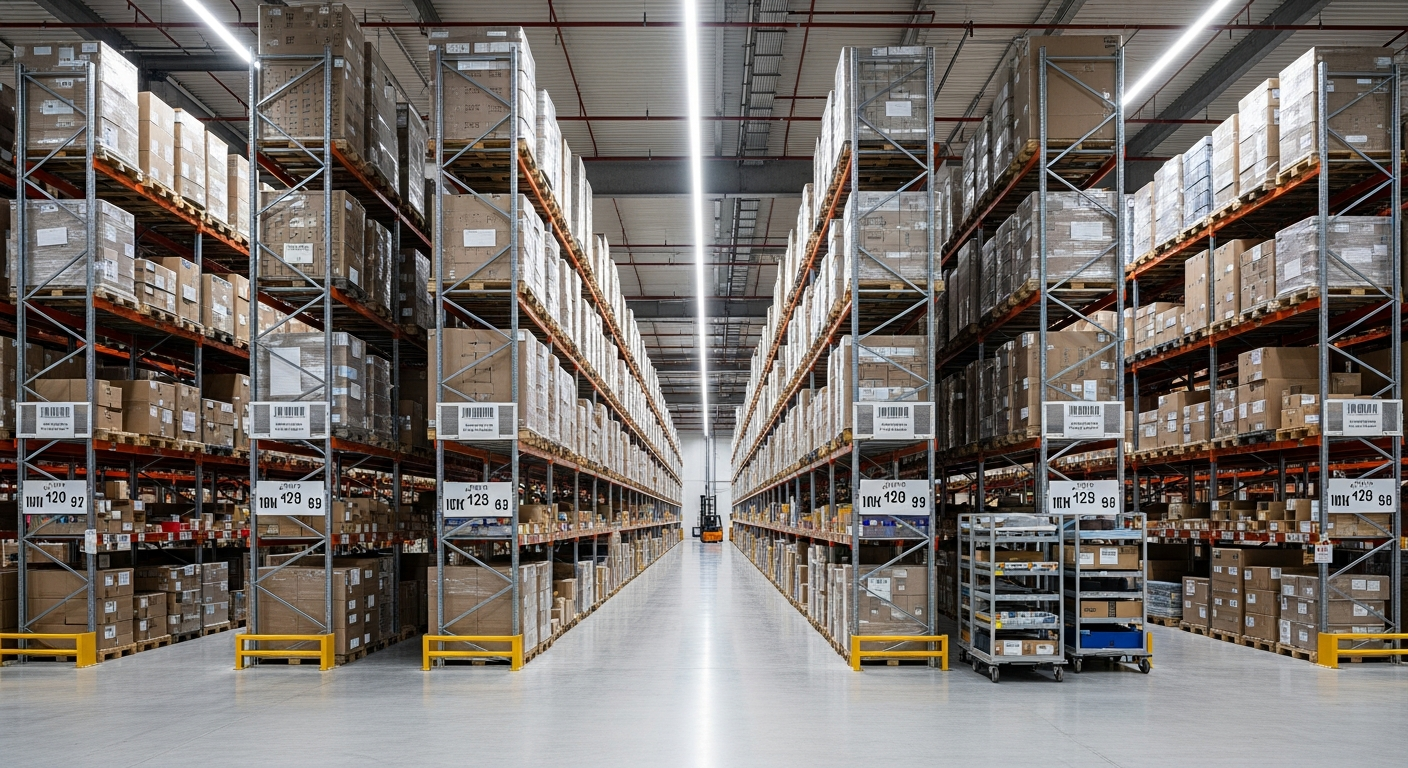 Winnipeg as Canada's inland gateway
Winter routing and Prairie conditions
The northern-Ontario stretch north of Lake Superior is again the main reliability risk from December through March, with blowing snow and freezing-rain delays. Once into Manitoba, conditions are typically cold and clear but exposed to wind and ground blizzards that can close highways briefly. Build winter buffer into delivery promises and confirm how your carrier handles weather holds.
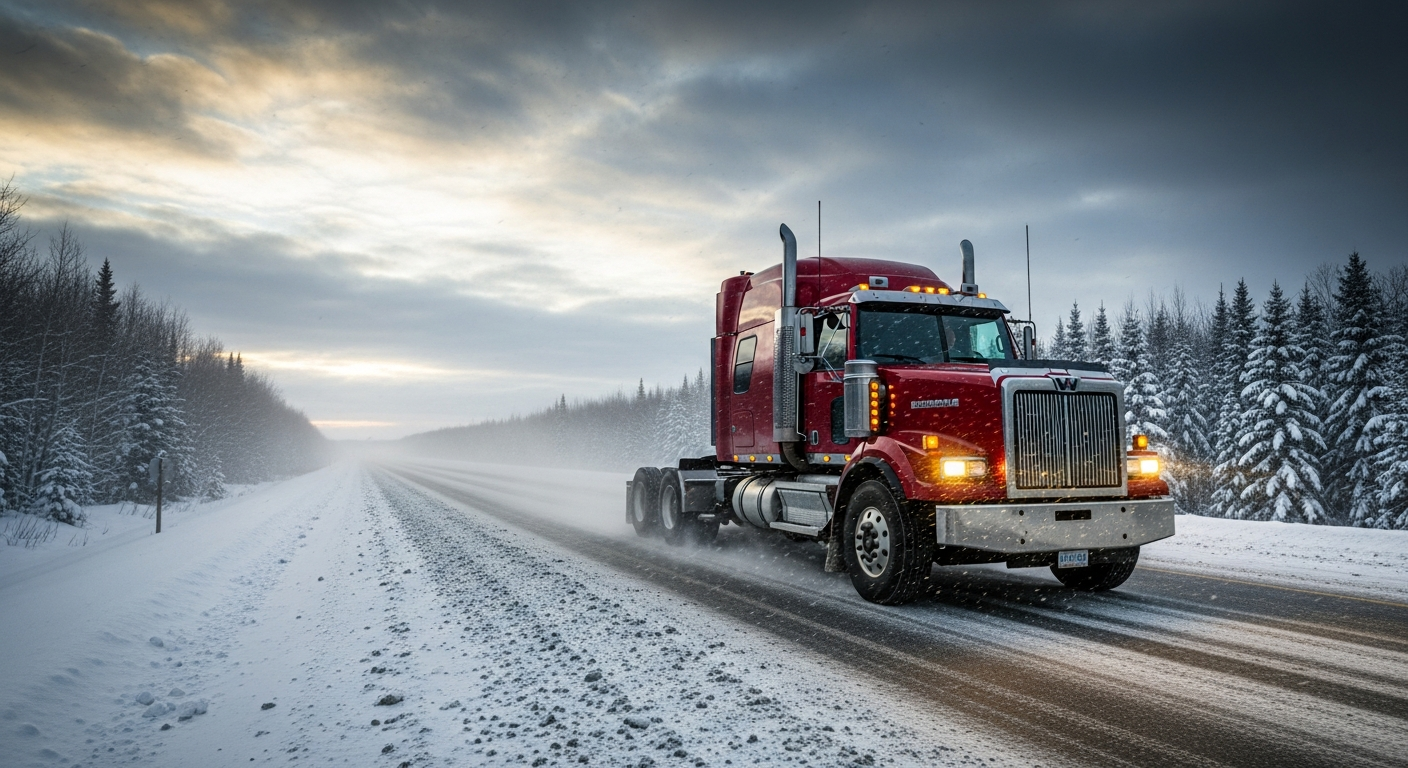 Winter routing and Prairie conditions
When the Toronto–Winnipeg lane is strategic
Common scenarios include national brands that want a central staging node between East and West, manufacturers moving Ontario-made goods to Manitoba and Saskatchewan retail and distributors, and import brands balancing eastern inventory in the GTA with mid-continent coverage. The lane is most often part of a hub-and-spoke footprint decision rather than a one-off shipment.
Frequently Asked Questions
How long does it take to ship from Toronto to Winnipeg?
Single-driver FTL is about 3–4 business days, team-driver roughly 2–2.5 days, and intermodal rail 4–6 days including drayage. LTL with consolidation runs 5–7 days.
How much does FTL Toronto to Winnipeg cost?
A 53-foot dry van one-way single-driver typically runs $3,600–$5,000 all-in in 2026, with team-driver higher. Intermodal rail is often below truck cost for full-container freight.
Why is Winnipeg considered a logistics gateway?
Winnipeg sits at Canada's mid-continent crossroads with major rail and trucking infrastructure and north–south US connectivity. It's a natural staging hub between Eastern Canada and the Prairies/West.
Is intermodal rail a good option to Winnipeg?
Yes. Winnipeg is one of Canada's strongest rail hubs, so intermodal is well-supported with efficient drayage and competitive cost versus single-driver truck for non-urgent freight.
Should I stage western inventory in Winnipeg?
If western and Prairie demand is steady, a Winnipeg node fed from Toronto can cut regional last-mile cost and transit. For occasional western orders, a single GTA hub with periodic replenishment is usually more economical.
Related ByExpress resources