Guide · · 11 min read
Toronto Warehouse & Distribution Centre Guide (2026)
Where GTA warehousing concentrates, what industrial space costs, what a modern distribution centre actually does, and how to choose the right DC partner.
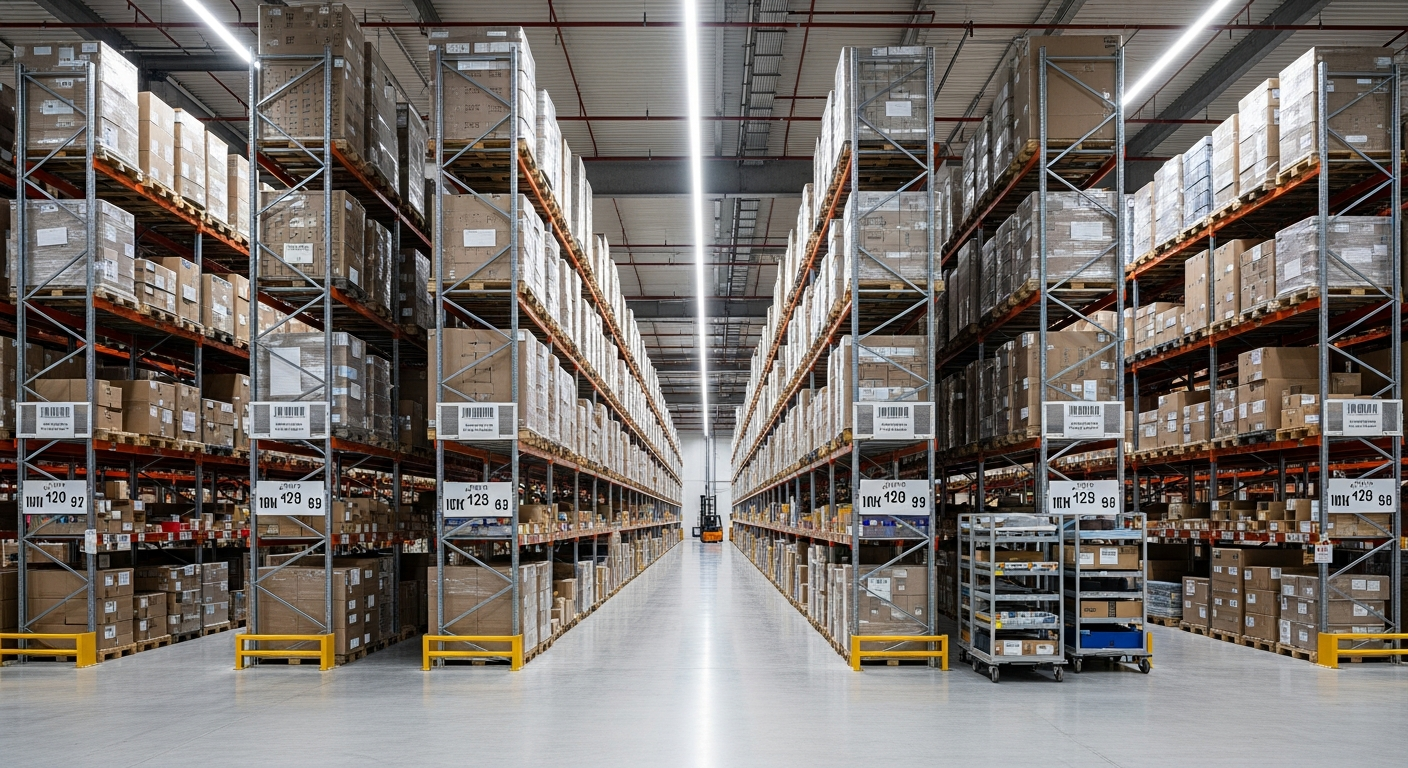
The Greater Toronto Area is home to the largest concentration of warehousing and distribution-centre (DC) space in Canada — and the most expensive. Understanding the market means understanding where the industrial submarkets are, what drives lease rates, what separates a true distribution centre from plain storage, and how to evaluate a DC partner. This 2026 guide maps the GTA warehousing landscape and gives a practical framework for brand operators and supply-chain leaders deciding where and with whom to warehouse.
The GTA industrial submarkets
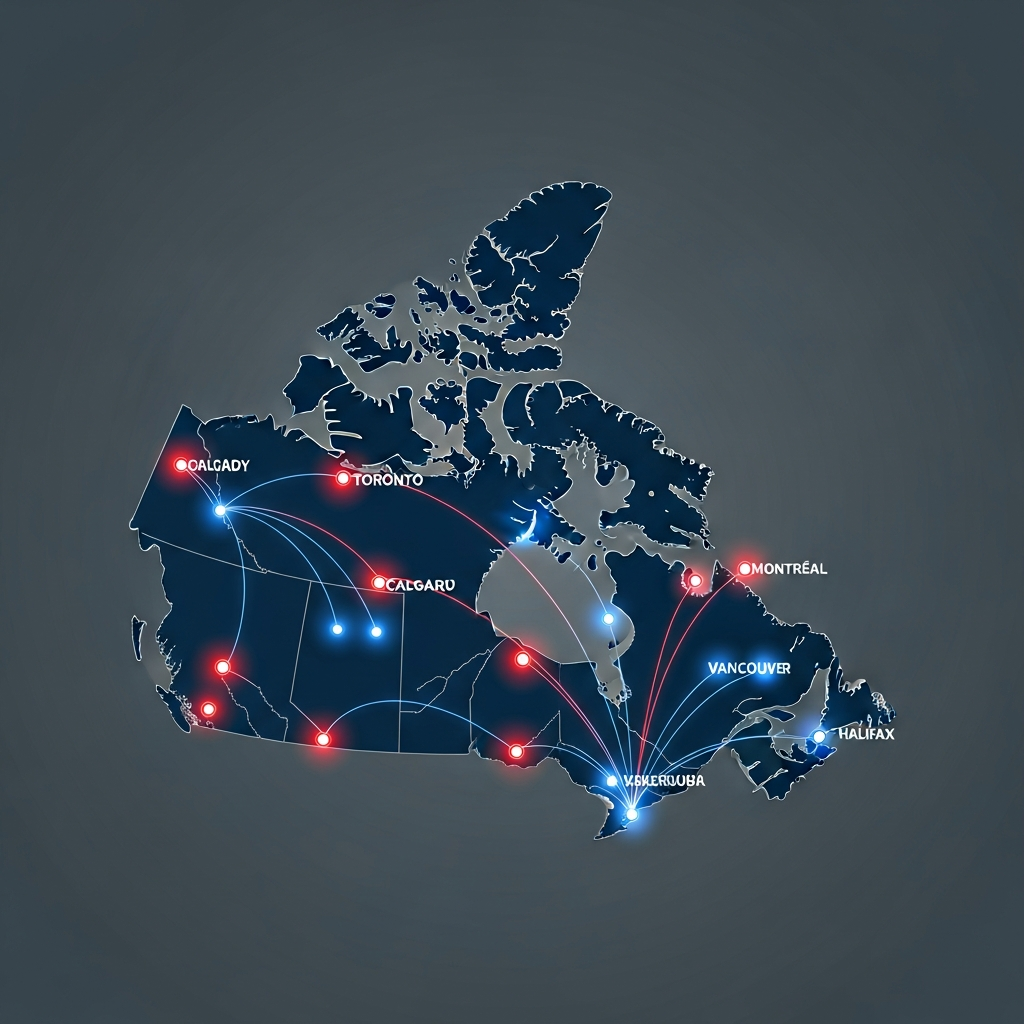
GTA warehousing clusters into several distinct submarkets, each with different access, rates, and labour pools. Peel Region (Mississauga, Brampton) is the largest and most central, anchored by the 401/410/407 interchange and the Brampton intermodal terminals. York Region (Vaughan, Markham) sits on the 400/404/407 with the CPKC Vaughan intermodal terminal. Halton (Oakville, Burlington) runs along the QEW/403 toward Hamilton. East Toronto (Scarborough) and Durham (Pickering, Ajax, Whitby, Oshawa) extend along the 401 east. Etobicoke and the airport employment zone sit closest to Pearson.
 The GTA industrial submarkets
Lease-rate context in 2026
GTA industrial real estate has been among the tightest markets in North America through the mid-2020s, with vacancy at or near record lows and net rents that climbed sharply. Distribution-grade space in the central submarkets (Peel, York) generally commands a premium over peripheral submarkets like Hamilton, Halton's outer edges, or Durham. Rates also vary by building quality — modern 36-foot-clear, ESFR-sprinklered, dock-rich facilities command more than older 24-foot buildings. For most brands, leasing and operating their own GTA warehouse only pencils out at high, stable volume; below that, a shared 3PL facility spreads fixed costs across many tenants.
What a modern distribution centre does
A distribution centre is more than storage. A modern GTA DC runs a continuous flow that ties together every touch on the inventory:
- Inbound: appointment scheduling, container devanning, receiving, and QC
- Putaway to dynamic-slot or fixed-location storage with system-directed logic
- Inventory control: cycle counting, lot/serial tracking, FIFO/FEFO rotation
- Order processing across retail replenishment, DTC, and B2B channels
- Pick-pack with RF-scanning at every pick and pack touch
- Value-added services: kitting, labelling, display builds, light assembly
- Outbound: multi-carrier rate-shopping, palletizing, LTL/FTL staging
- Returns: receiving, inspection, and WMS-driven disposition
Modern vs legacy DC operations
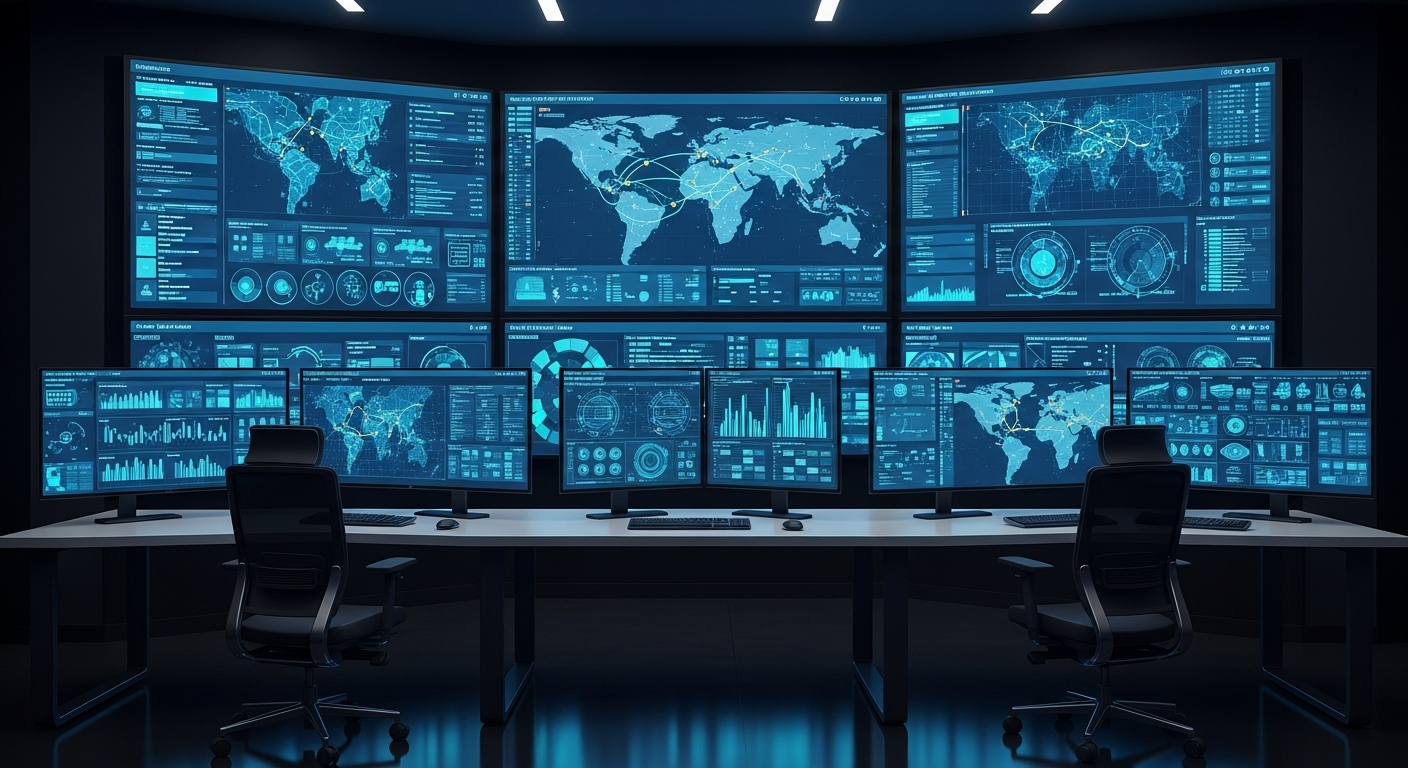
The single biggest variable in DC quality is the technology and process gap between modern and legacy operations. A modern GTA DC in 2026 runs a cloud WMS with real-time inventory and API/EDI integrations, RF-scanner or voice pick at every operation (no paper picking), barcode verification at every inbound and pack touch, dock-scheduling software, and a documented cycle-count program. A legacy facility relies on spreadsheets, paper pick lists, periodic physical counts, and CSV file transfers. Two buildings can look identical from the dock and operate completely differently inside.
 Modern vs legacy DC operations
How to choose a GTA DC partner
Evaluate prospective DC partners on concrete, verifiable criteria rather than marketing. Ask: what is your published pick-pack accuracy SLA and recent actual; what is your inbound receiving turnaround in hours; what is your same-day cutoff in writing; which integrations are live in production today versus on a roadmap; can I tour the building and watch a live pick wave; what is your average client tenure; and can you connect me with a current client of my size and profile. A strong partner answers each in writing with specifics.
Single DC vs multi-node networks
Many growing brands start with a single GTA DC because it covers the largest population within one-day ground. As volume scales and customers spread nationally, a second node (often Western Canada, sometimes a lower-cost Eastern node) compresses transit and reduces zone-based shipping cost. The GTA almost always remains the anchor because of its import density and population reach — but it rarely stays the only node above a few thousand orders per month. Model the trade-off on your actual customer geography before committing to a single-DC strategy.
Frequently Asked Questions
Where is warehousing concentrated in the GTA?
The largest clusters are in Peel (Mississauga, Brampton) near the 401/410/407, and York (Vaughan, Markham) near the 400/404/407 and the CPKC Vaughan intermodal terminal. Secondary submarkets include Halton (Oakville, Burlington), Etobicoke near Pearson, and Durham along the eastern 401.
Why is GTA warehouse space so expensive?
Toronto has had among the tightest industrial vacancy in North America through the mid-2020s, with strong demand and limited new supply pushing net rents up sharply, especially in the central Peel and York submarkets.
What's the difference between a warehouse and a distribution centre?
A warehouse stores; a distribution centre stores and processes — receiving, putaway, order processing, pick-pack, value-added services, multi-carrier outbound, and returns — all tied together by a WMS and integrations.
Should I lease my own GTA warehouse or use a 3PL?
Leasing your own facility generally only makes sense at high, stable volume where you can fill the space and staff it year-round. Below that, a shared 3PL DC spreads fixed rent, labour, and technology costs across many tenants.
How do I evaluate a Toronto DC partner?
Ask for written SLAs on pick accuracy, receiving turnaround, and same-day cutoff; verify integrations are live in production; tour the facility and watch a live pick wave; and get reference calls from current clients of similar size.
Related ByExpress resources